


A t-shirt is one of the simplest pieces of clothing you own.
But if you’ve worn enough of them, you already know:
Most don’t last.
They lose their shape.
They feel good for a few washes, then fall apart.
Or they just never feel right in the first place.
The difference between what makes a good t-shirt and a bad one isn’t branding.
It’s the fundamentals.
Fabric Quality Matters More Than You Think
Most people don’t look at fabric. They look at the design.
That’s usually a mistake.
A good t-shirt starts with the right material. In most cases, that means 100% cotton, especially in the 160–180 GSM range.
Why that range?
- Too light → feels cheap, stretches out quickly
- Too heavy → uncomfortable for everyday wear
- Right balance → breathable, structured, and durable
Good cotton doesn’t just feel better—it holds up over time. It keeps its shape longer and handles repeated washing without breaking down.
That’s the difference between something you wear for a few weeks… and something you keep reaching for months later.
Fit Should Be Predictable, Not Trend-Based
A lot of brands chase fit trends:
- Oversized
- Ultra slim
- Cropped
- Boxy
The problem?
Trends change. Your need for a reliable shirt doesn’t.
A good t-shirt has a balanced, athletic fit:
- Comfortable in the shoulders
- Enough room to move
- Not tight, not baggy
It should feel natural whether you’re:
- Moving around
- Sitting all day
- Wearing it after training
You shouldn’t have to think about it.
That’s usually the sign it’s done right.
Construction Is What Determines Longevity
This is where most t-shirts fail.
Even if the fabric is decent, poor construction will ruin it.
Look for:
- Reinforced stitching
- Clean seams (no twisting after wash)
- Collar that keeps its shape
The collar is a big one.
If the collar stretches out after a few wears, the shirt is basically done—even if the rest is still intact.
A well-built t-shirt keeps its structure over time. It doesn’t warp, sag, or lose its identity after a few cycles in the wash.
Breathability and Comfort Over Time
A shirt can feel good for 10 minutes and still be a bad shirt.
What matters is how it feels:
- After a full day
- After multiple washes
- After repeated use
Breathability plays a big role here.
Cotton naturally allows airflow, which makes it ideal for:
- Everyday wear
- Post-training recovery
- Warmer environments
A good t-shirt doesn’t just look clean—it stays comfortable throughout the day, not just when you first put it on.
Simplicity Ages Better Than Trends
Design is where most brands overcomplicate things.
Loud graphics. Heavy prints. Trend-based visuals.
It might look good today—but it won’t age well.
A clean, minimal design tends to:
- Stay relevant longer
- Pair with anything
- Reflect consistency rather than impulse
That’s why simple pieces usually become the ones you wear the most.
Not because they stand out—but because they don’t get in the way.
The Real Test: Do You Keep Reaching for It?
At the end of the day, the best test is simple:
Do you keep wearing it?
Not once. Not twice.
But consistently.
The t-shirts that last in your rotation usually have the same traits:
- Comfortable without thinking about it
- Durable enough to handle real use
- Simple enough to wear anywhere
That’s what separates a “good” t-shirt from one that just looked good when you bought it.
A Practical Example (Without Overcomplicating It)
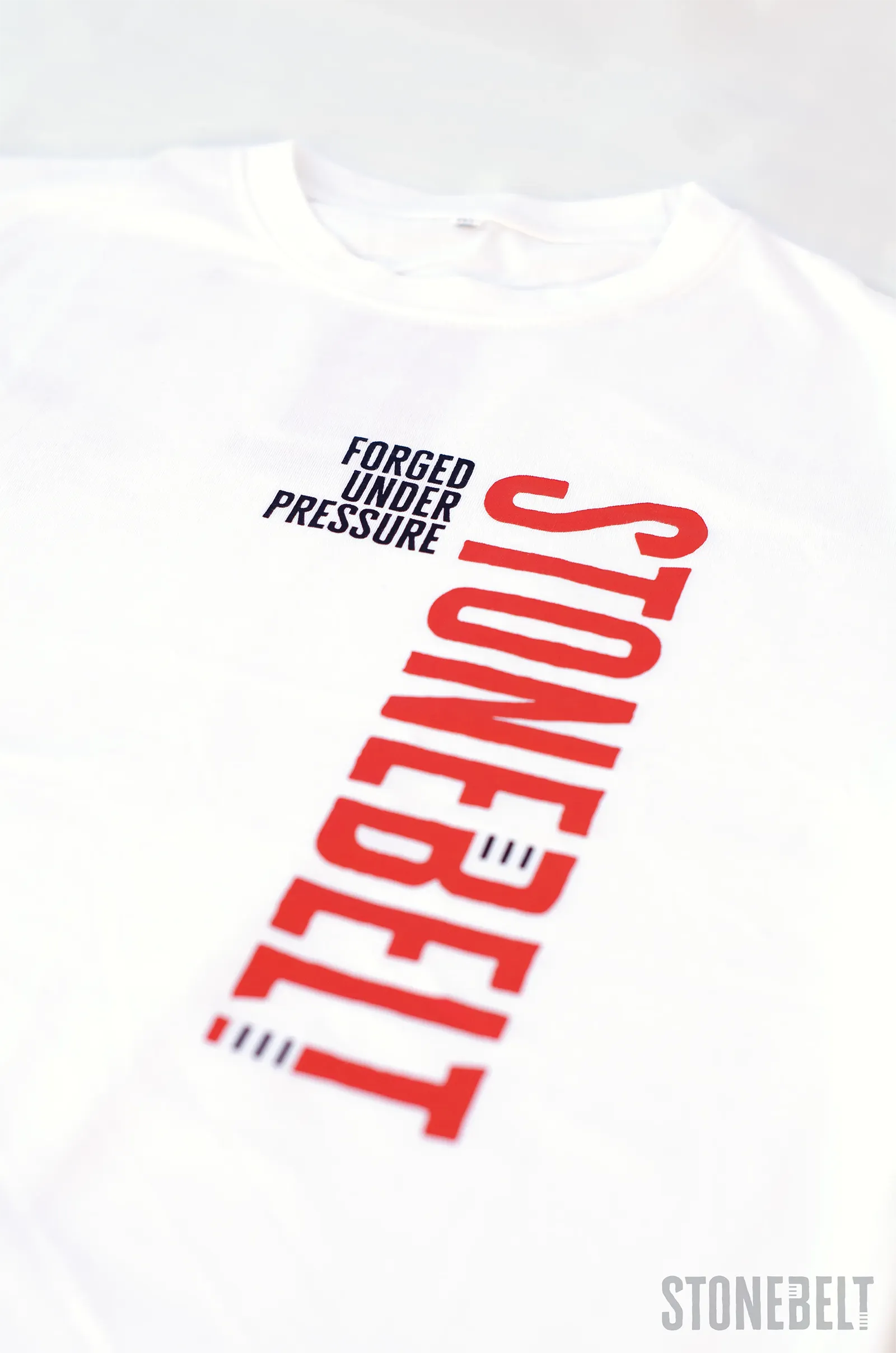
If you want to see how these principles come together in a real product, you can take a look at the
Classic Stonebelt T-Shirt.
It follows the same idea:
- 100% cotton
- Lightweight, breathable structure
- Clean, minimal design
- Built for everyday use, not just appearance
Nothing complicated.
Just the fundamentals done properly.
Final Thought
A good t-shirt isn’t about innovation.
It’s about execution.
Good fabric.
Proper fit.
Solid construction.
Clean design.
That’s it.
Most brands don’t miss because they lack ideas.
They miss because they skip the basics.
And over time, that shows.